霍尔木兹海峡危机升级:美以袭击伊朗最大岛屿,美股深夜暴涨逾千点

美以联合对伊朗实施军事打击,袭击格什姆岛致海水淡化厂瘫痪,德黑兰遭两轮空袭。特朗普发声称伊朗"基本被打垮",并就霍尔木兹海峡石油问题向盟友发出强硬信号。与此同时,美股三大指数深夜大幅拉升,道指涨逾1100点,科技股全线走强,华尔街策略师视技术性反弹机会已现。
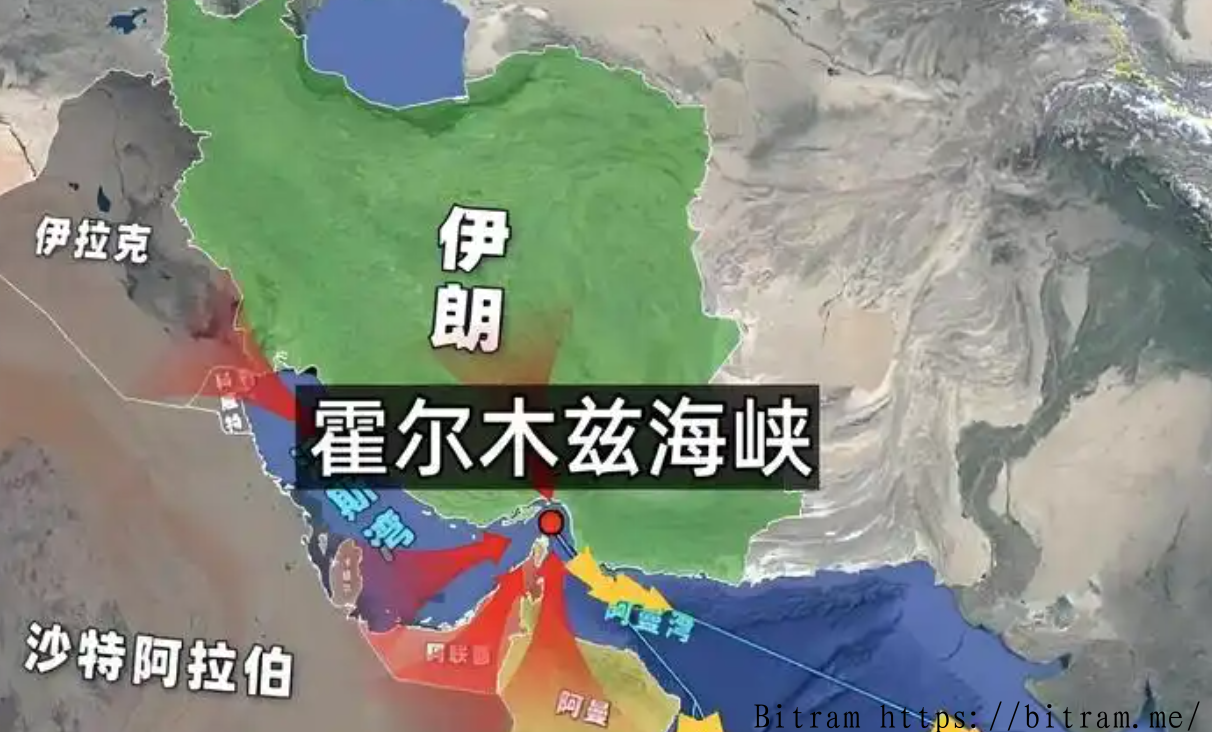
中东局势骤然紧张之际,美股市场却在北京时间3月31日深夜走出一波强劲反弹——道指单日暴涨逾1100点,涨幅达2.49%;纳斯达克指数大涨3.83%;标普500指数上涨2.91%。脸书(Meta)领涨科技板块,单日涨幅高达6.67%,英伟达、谷歌涨逾5%,特斯拉、亚马逊、微软均录得约3%的涨幅。战争阴云笼罩下的这波反弹,引发市场广泛关注。
此轮行情的背景,是美以对伊朗采取的一系列军事行动。美以联军对伊朗最大岛屿格什姆岛发动袭击,当地唯一一座海水淡化厂遭到重创,短期内难以修复,严重影响当地居民供水。与此同时,伊朗首都德黑兰在短短不足24小时内先后遭受两轮空袭,多处发生爆炸,部分区域出现短暂停电。
特朗普强硬发声,盟友关系现裂痕
面对霍尔木兹海峡局势,美国总统特朗普在社交媒体上罕见地向盟友发出强硬警告。他直言伊朗"基本上已经被打垮了",并对那些拒绝参与军事行动、却担忧海峡封锁影响石油供应的国家毫不留情:"要么从美国买油,要么鼓起勇气自己去抢。"这番措辞强烈的表态,折射出美国对欧洲盟友消极态度的深层不满。
特朗普还专门点名法国,批评其拒绝允许载有军用物资的飞机飞越法国领土前往以色列,直斥法国"极不配合",并警告"美国会记住"。美国国防部长赫格塞思也公开表示,将视盟友在此次行动中的表现,由总统特朗普就北约的未来走向作出相应决定。这意味着此次中东军事行动,正演变为一场对西方同盟体系的深刻考验。
与此同时,伊朗伊斯兰革命卫队宣布,将中东地区与苹果、谷歌、英伟达、特斯拉、微软、惠普等18家美国科技与人工智能企业相关的机构列为打击目标,地缘政治风险正向科技产业链加速蔓延。
科技股超卖信号显现,华尔街视之为布局良机
尽管地缘政治阴云未散,华尔街部分策略师却已在此轮下跌中嗅到机会。纳斯达克100指数自去年10月高点以来累计下跌约11%,其预期市盈率已压缩至21倍,与标普500指数的估值溢价差距收窄至仅约1.7个百分点——这一水平在本世纪仅出现过四分之一的时间。历史数据显示,上次出现类似估值低点(2013年9月)后,纳斯达克100指数在随后六个季度中有五个季度跑赢大盘。
"科技股的回调是积极信号,将为板块创造买入机会。投资者应借此机会,在他们更有信心的公司中进行精选个股。"——Jonestrading首席市场策略师 Michael O'Rourke
加拿大帝国商业银行资本市场的Christopher Harvey重点关注Alphabet、苹果、英伟达和Palantir等标的;富国证券策略师预计纳指大型科技股即将迎来相对跑赢阶段。不过,也有分析人士提示风险:若中东战争持续升级,科技股难以充当避风港,资金或将流向更传统的防御性板块。
总体而言,霍尔木兹海峡局势、美以对伊军事行动的进展,以及特朗普对北约盟友关系的重新定义,将是近期全球市场最核心的风险变量。科技股的超卖反弹能否延续,很大程度上取决于地缘局势是否进一步失控。
Hormuz Strait Crisis Escalates: US-Israel Strike Iran's Largest Island as Wall Street Surges Over 1,100 Points
As tensions in the Middle East surged to a new peak, Wall Street staged a dramatic late-session rally on March 31 (Beijing time). The Dow Jones Industrial Average soared more than 1,100 points — a gain of 2.49% — while the Nasdaq Composite jumped 3.83% and the S&P 500 advanced 2.91%. Meta led the charge among mega-cap tech stocks with a single-day gain of 6.67%, followed by Nvidia and Google, each up over 5%, and Tesla, Amazon, and Microsoft, all rising around 3%. The sharp rebound in the shadow of open conflict raised eyebrows across the market.
The backdrop to this rally was a series of military strikes by US and Israeli forces against Iran. A joint US-Israel strike targeted Qeshm Island — Iran's largest island — destroying its sole desalination plant and leaving it inoperable for the foreseeable future, severely disrupting the local water supply. Meanwhile, the Iranian capital Tehran was hit by two waves of airstrikes within less than 24 hours, triggering multiple explosions and causing temporary power outages across parts of the city.
Trump Issues Stark Warnings, Fracturing Alliance Relations
With the Strait of Hormuz at the center of the crisis, US President Donald Trump took to social media to deliver unusually blunt warnings to allied nations. He declared that Iran had "basically been defeated" and offered a pointed message to countries worried about oil supplies being cut off by a Hormuz closure — countries that had refused to join the military campaign: "Either buy your oil from the United States — we have plenty — or have the courage to go and take it." The remarks laid bare deep American frustration with the passive stance of European allies.
Trump also singled out France, criticizing Paris for refusing to allow military cargo flights to Israel over French territory, calling France's posture "extremely uncooperative" and warning that "the United States will remember." Defense Secretary Pete Hegseth echoed the message, stating publicly that President Trump would make decisions about the future of NATO based on how allies had behaved during this operation. The implication is clear: the Middle East military campaign is fast becoming a stress test for the entire Western alliance.
Adding another layer of complexity, Iran's Islamic Revolutionary Guard Corps announced it had designated institutions linked to 18 US technology and AI companies — including Apple, Google, Nvidia, Tesla, Microsoft, and HP — operating in the Middle East as military targets. Geopolitical risk is now migrating directly into the global technology supply chain.
Oversold Tech Signals Prompt Wall Street to Eye the Dip
Despite the geopolitical overhang, a number of Wall Street strategists are finding opportunity in the rubble. The Nasdaq 100 has fallen roughly 11% from its October peak, with its forward price-to-earnings ratio now compressed to around 21x — just 1.7 percentage points above the S&P 500's valuation. Bloomberg data shows this narrow premium has existed less than a quarter of the time since the dot-com bust. The last time the Nasdaq 100's valuation premium was this compressed — September 2013 — the index went on to outperform the S&P 500 in five of the following six quarters.
"The tech selloff is a positive sign that will create buying opportunities. Investors should use this as a chance to be selective in companies where they have more conviction." — Michael O'Rourke, Chief Market Strategist, Jonestrading Institutional Services LLC
CIBC Capital Markets' Christopher Harvey highlighted Alphabet, Apple, Nvidia, and Palantir as names to watch; Wells Fargo strategists anticipate that large-cap tech and the Nasdaq 100 are poised to outperform. However, some analysts sounded a note of caution: if the Middle East conflict continues to escalate, tech stocks may struggle to serve as a safe haven, and capital could rotate toward more traditional defensive sectors.
In sum, the trajectory of the Hormuz Strait standoff, the progress of US-Israel military operations against Iran, and Trump's redefinition of America's relationships with NATO allies represent the most critical risk variables for global markets in the near term. Whether the oversold tech rebound can be sustained will depend heavily on whether the geopolitical situation spirals further out of control.
发表评论