柯文哲一审被判17年剥夺公权6年,国台办批赖清德"绿色恐怖"打压异己

台湾民众党前主席柯文哲一审被判处有期徒刑17年、剥夺公权6年。对此,国台办发言人朱凤莲发表回应,批评赖清德当局操弄司法、打压政治异己,施行"绿色恐怖",并指其倒行逆施必遭台湾民众反对。本文梳理事件始末并分析各方立场。
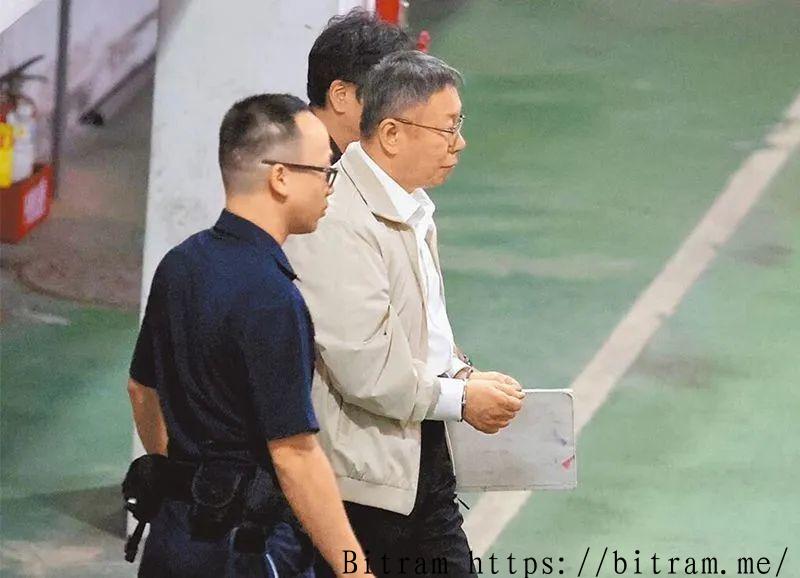
台湾民众党前主席柯文哲于2025年3月26日迎来一审宣判结果——被判处有期徒刑17年、剥夺公权6年。这一判决在台湾岛内引发广泛关注,同时迅速成为两岸政治博弈的新焦点。国务院台湾事务办公室随即作出回应,将矛头指向执政的民进党当局。
国台办强烈批评:指其以司法手段打击政敌
国台办发言人朱凤莲在当日记者会上对此事表明立场。她指出,赖清德当局借司法之名行政治打压之实,将司法工具化,专门对付政治上的反对声音。朱凤莲将这种做法定性为"绿色恐怖",并以"顺我者昌、逆我者亡"来形容当前台湾政治生态——暗指执政党对异见力量毫无容忍。
"多行不义必自毙,其倒行逆施必遭台湾民众反对和唾弃。"
——国台办发言人 朱凤莲
在两岸关系持续紧张的背景下,北京选择在此时介入这一台湾内部司法事件,本身即具有明显的政治信号意义。观察人士注意到,司法独立与政治干预之间的边界,正成为台湾朝野争议的核心议题之一。
柯文哲案背景:从政治明星到囹圄之身
柯文哲曾任台北市长八年,后创立台湾民众党并担任主席,一度被视为台湾政坛第三势力的代表人物。其案件涉及京华城容积率弊案及政治献金等相关指控,检察机关认为其在担任市长期间存在贪腐行为。
柯文哲本人及其支持者一贯主张案件遭到政治操弄,认为此次重判是执政当局刻意压制反对势力的手段。此案的判决走向,也牵动着台湾民众党未来的政治走势及岛内蓝白合作格局。
主要争议焦点包括:
- 司法中立性:判决是否出于独立的法律判断,还是掺杂了政治因素
- 量刑尺度:17年刑期是否与同类案件保持一致标准
- 政治影响:案件走向将如何重塑台湾在野力量的生态格局
分析:法律事件背后的政治张力
无论柯文哲案的司法程序是否符合正当程序,此案已然超越单纯的法律范畴,演变为一场牵动两岸、折射台湾内部政治生态的舆论风暴。北京的高调回应,固然有其借机施压的战略考量;而台湾执政当局所面临的"司法公信力"质疑,同样需要认真对待。
当一起刑事案件成为两岸政治攻防的素材,受伤的往往是普通民众对法治的信心。柯文哲案的后续走向——包括二审程序及各方政治反应——仍将是近期台湾最受瞩目的焦点之一。
Ko Wen-je Sentenced to 17 Years in First Trial: Beijing Slams Lai Ching-te's "Green Terror" Against Political Opponents
Ko Wen-je, former chairman of the Taiwan People's Party (TPP), received his first-instance verdict on March 26, 2025: 17 years in prison and six years' deprivation of civil rights. The ruling sent shockwaves across Taiwan and quickly became the latest flashpoint in cross-strait political tensions, prompting an immediate response from Beijing's Taiwan Affairs Office.
Beijing Fires Back: Accusing Taipei of Weaponizing the Judiciary
Zhu Fenglian, spokesperson for China's State Council Taiwan Affairs Office (TAO), spoke out at a press briefing the same day. She accused Lai Ching-te's administration of using the courts as a political weapon to silence opposition voices, describing the approach as "Green Terror" — a pointed reference to what Beijing characterizes as the ruling Democratic Progressive Party's intolerance of dissent.
"Those who persist in wrongdoing will ultimately bring about their own downfall. Such reactionary conduct will only invite the resistance and condemnation of the Taiwanese people."
— TAO Spokesperson Zhu Fenglian
Beijing's decision to weigh in on what is nominally a domestic judicial matter carries clear political undertones, particularly against the backdrop of ongoing cross-strait friction. Analysts note that the boundary between judicial independence and political interference has become one of the most contested fault lines in Taiwan's political landscape.
Background: From Political Heavyweight to the Defendant's Chair
Ko Wen-je served two terms as mayor of Taipei and founded the TPP, once regarded as the leading voice of Taiwan's emerging "third force" in politics. He faces charges related to alleged corruption in the Mega City zoning case and improper handling of political donations during his time as mayor.
Ko and his supporters have consistently maintained that the case is politically motivated, portraying the heavy sentence as a calculated move by the ruling party to neutralize opposition. The verdict also has significant implications for the TPP's future trajectory and the broader dynamics between Taiwan's pan-blue and TPP camps.
Key points of contention include:
- Judicial impartiality: Whether the ruling reflects independent legal reasoning or political calculation
- Proportionality of sentencing: Whether a 17-year term is consistent with precedent in comparable cases
- Political fallout: How the verdict will reshape the balance of power among Taiwan's opposition forces
Analysis: Political Fault Lines Beneath a Legal Verdict
Regardless of whether due process was observed in Ko's case, the affair has clearly transcended the legal realm and become a lens through which broader political tensions — both within Taiwan and across the strait — are being refracted. Beijing's vocal response reflects its own strategic interest in amplifying divisions within Taiwan's political establishment.
At the same time, the questions raised about judicial credibility in Taiwan deserve serious consideration on their own merits. When a criminal case becomes a political battleground for all sides, it is public trust in the rule of law that ultimately pays the price. The coming appeals process and the political fallout that follows will remain among the most closely watched developments in Taiwan in the weeks ahead.
发表评论