美股连续五周下跌:道指重挫790点跌入回调区间,油价飙升霍尔木兹危机持续发酵

3月28日,美股三大指数连续第五周收跌,道指单日重挫近800点正式跌入回调区间,标普500创2022年来最长周线连跌纪录。与此同时,WTI原油价格触及每桶100美元关口,霍尔木兹海峡局势持续紧张,美伊谈判前景不明,市场情绪普遍承压。
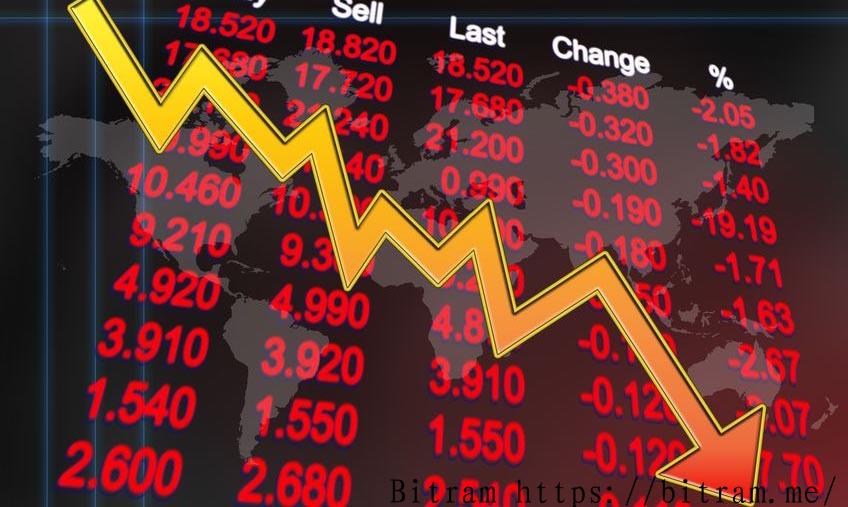
3月28日,美国股市迎来动荡的一周收官,道琼斯工业平均指数单日暴跌近800点,正式跌入技术性回调区间。三大指数同步录得连续第五周下跌,标普500指数由此创下2022年以来最长的周线连跌纪录,华尔街的避险情绪显著升温。
当天收盘数据如下:
- 道指:报45167.44点,跌792.67点,跌幅1.72%
- 纳指:报20948.36点,跌459.72点,跌幅2.15%
- 标普500:报6368.85点,跌108.31点,跌幅1.67%
纳斯达克指数本周累计下跌逾3.2%,较去年10月高点已回落超过10%,正式确认进入回调区间;标普500本周跌幅超过2.1%,道指本周跌幅相对较小,约为0.9%,但单日重挫拖累其同步跌入回调领域。
油价飙升成为压垮市场的关键推手
能源市场的剧烈波动,是本轮股市下跌的重要催化因素。WTI原油期货盘中一度触及每桶100.04美元,最终收涨5.46%至99.64美元,创下2022年以来的最高结算价位;布伦特原油同步大涨逾4%,报112.38美元。
油价急涨的核心逻辑在于霍尔木兹海峡局势骤然升级。伊朗伊斯兰革命卫队宣布关闭这条全球最重要的能源运输通道,并警告任何途经船只将面临严厉回应。当天早些时候,一艘货轮在该水道遭袭后搁浅,进一步刺激了市场对能源供应中断的担忧。全球原油供应风险溢价的快速累积,直接冲击了对通胀和企业盈利的预期。
美伊局势信号混乱,市场难以定价
此轮市场动荡的更深层驱动力,来自美伊冲突前景的高度不确定性。自2月底美国与以色列对伊朗能源基础设施发动打击以来,股市便持续承压。
特朗普政府近期的表态前后矛盾,令投资者无所适从:一方面,特朗普在社交媒体上发文称已暂缓破坏伊朗能源设施的期限至4月6日,并称谈判"进展顺利";另一方面,有消息称五角大楼正考虑向中东增派约1万名士兵,暗示冲突可能进一步扩大。伊朗外长亦公开表示,德黑兰无意与美方展开谈判,两方信息相互抵消,市场难以形成清晰预期。
分析人士普遍认为,这场冲突对全球经济的最终影响,将高度取决于战争持续时长以及波斯湾能源基础设施受损的程度——时间拖得越久、打击范围越广,对全球供应链、通胀走势及企业盈利的冲击就越深远。在局势明朗之前,市场的高波动性恐将延续,投资者宜保持审慎。
US Stocks Fall for Fifth Straight Week: Dow Plunges 790 Points Into Correction as Oil Surges on Strait of Hormuz Crisis
US markets closed out a turbulent week on March 28, with the Dow Jones Industrial Average plunging nearly 800 points in a single session to officially enter correction territory. All three major indices posted a fifth consecutive week of losses, with the S&P 500 notching its longest weekly losing streak since 2022, as risk aversion deepened across Wall Street.
Friday's closing figures were as follows:
- Dow Jones: 45,167.44, down 792.67 points (-1.72%)
- Nasdaq: 20,948.36, down 459.72 points (-2.15%)
- S&P 500: 6,368.85, down 108.31 points (-1.67%)
The Nasdaq fell more than 3.2% for the week, now down over 10% from its October peak and firmly in correction territory. The S&P 500 shed more than 2.1% on the week, while the Dow, despite a relatively modest weekly decline of around 0.9%, was dragged into its own correction by Friday's sharp single-day drop.
Surging Oil Prices Emerge as the Key Market Catalyst
Violent swings in energy markets served as a critical trigger for the equity selloff. WTI crude futures briefly touched $100.04 per barrel intraday, before settling up 5.46% at $99.64 — the highest closing price since 2022. Brent crude climbed more than 4% to $112.38 per barrel.
The surge in oil prices was driven primarily by a sudden escalation in the Strait of Hormuz. Iran's Islamic Revolutionary Guard Corps announced the closure of this critical global energy corridor, warning that any vessels attempting to transit would face severe consequences. Earlier in the day, a cargo ship ran aground after being struck in the waterway, intensifying fears of a major supply disruption. The rapid buildup in geopolitical risk premiums for crude directly rattled expectations for inflation and corporate earnings.
Mixed Signals From the US-Iran Standoff Leave Markets Unable to Price Risk
The deeper driver of market instability has been the profound uncertainty surrounding the trajectory of the US-Iran conflict. Equities have faced sustained pressure since late February, when the United States and Israel struck Iranian energy infrastructure.
Conflicting signals from the Trump administration have left investors without a clear compass. On one hand, President Trump posted on Truth Social that he had extended the deadline for striking Iranian energy facilities to April 6, claiming that negotiations were "going very well." On the other hand, reports emerged that the Pentagon is considering deploying an additional 10,000 troops to the Middle East, suggesting the conflict could escalate further. Iran's foreign minister, meanwhile, publicly stated that Tehran has no intention of engaging in negotiations with Washington — a direct contradiction of the White House's upbeat framing.
Analysts broadly agree that the ultimate economic impact of this conflict will depend heavily on how long it lasts and how extensively energy infrastructure across the Persian Gulf is targeted. The longer the fighting drags on and the wider the strikes spread, the deeper the damage to global supply chains, inflation dynamics, and corporate profitability. Until the situation clarifies, elevated market volatility is likely to persist, and investors would be wise to proceed with caution.
发表评论