海南自贸港封关百日:政策红利加速释放,开放新格局初步成型

海南自贸港封关运营百日,"一线放开、二线管住"制度框架逐步落地,免税购物、跨境贸易、外资准入等核心政策持续释放红利。本文从贸易便利化、产业集聚、消费升级三大维度,深度观察封关百日以来海南自贸港的政策成效与现实挑战,探讨其对中国新一轮高水平对外开放的战略意义。
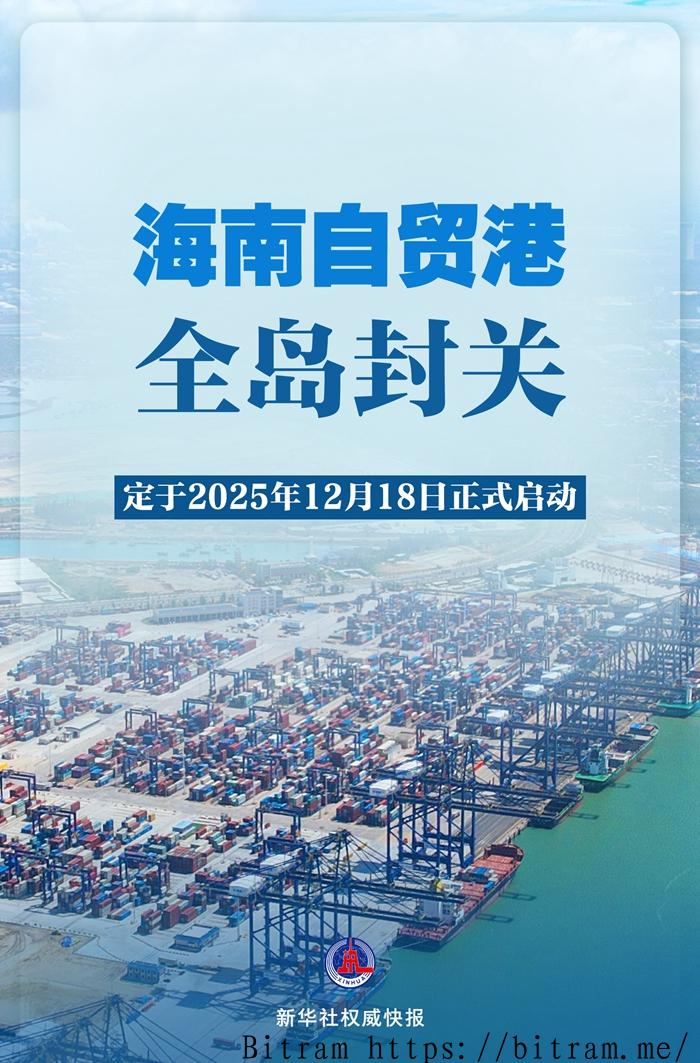
海南自贸港封关运营满百日,这一被视为中国对外开放"试验田"的重大节点,正在迎来首轮系统性检验。所谓"封关",并非关闭,而是在海南全岛实施"一线放开、二线管住"的海关监管新模式——货物进出境更自由,内地与海南之间的商品流动则受到更规范的管理。百日以来,这套制度框架的运行成效,既有亮点,也有值得关注的现实挑战。
从贸易便利化的角度看,封关后海南与境外之间的通关效率明显提升。大宗商品进口、跨境电商、保税仓储等业务在制度红利驱动下加速扩张。部分国际航运企业和贸易中间商已将区域分拨中心迁入海南,这是此前难以实现的布局变化。海南自贸港免税政策的持续优化,也带动了离岛免税购物的结构性升级,消费品类从奢侈品逐步向电子产品、医疗美容等高需求领域延伸。
产业集聚:机遇与落地之间的距离
百日观察中,一个核心问题浮出水面:政策洼地能否真正转化为产业高地? 数据显示,封关以来新增注册企业数量稳步增长,金融、航运、数字经济等重点产业的招商引资热度上升。然而,企业"注册在海南、业务在内地"的现象依然存在,这折射出营商环境软实力的提升仍需时间积累。
以跨境数据流动为例,这是自贸港高水平开放的核心能力之一,但相关制度细则的完善、数据安全合规体系的建立,仍处于摸索阶段。这并非海南独有的困境,而是整个中国数字经济国际化进程中共同面临的深层命题。
消费与民生:封关红利是否惠及普通人
封关后,岛内居民最直观的感受集中在进口商品价格变化和通关便捷程度上。部分消费品价格因关税减免出现下降,但物流成本、岛内分发体系的不成熟,在一定程度上抵消了政策优惠。与此同时,针对本地居民的政策权益边界,仍需进一步明确和宣导。
封关不是终点,而是海南自贸港建设真正进入深水区的起点。
从更宏观的视角来看,海南自贸港的封关实践,是中国探索高水平制度型开放的重要路径之一。它测试的不仅是关税与贸易规则,更是法治环境、市场监管、国际规则对接的整体能力。百日,是一个观察窗口,而非成败的终局。接下来的关键,在于如何将制度优势转化为持久的市场吸引力,让更多真实的商业活动在海南这片土地上生根落地。
100 Days After Hainan Free Trade Port Customs Closure: Policy Dividends Accelerate, New Open Economy Takes Shape
One hundred days have passed since the Hainan Free Trade Port (FTP) completed its customs closure — a milestone widely regarded as a landmark test for one of China's most ambitious open-economy experiments. The "closure" itself is not a shutdown; rather, it marks the full implementation of a dual-line customs model: liberalized flows across the first line (between Hainan and the outside world) and regulated management along the second line (between Hainan and mainland China). After 100 days of operation, the results are a mixed picture of genuine progress and persistent challenges.
On the trade facilitation front, clearance efficiency between Hainan and overseas markets has improved noticeably since the closure took effect. Sectors such as bulk commodity imports, cross-border e-commerce, and bonded warehousing have expanded rapidly under the new policy framework. Several international shipping companies and trade intermediaries have relocated regional distribution hubs to Hainan — a shift that would have been difficult to engineer before. Meanwhile, the continued refinement of Hainan's duty-free shopping policies has driven a structural upgrade in offshore duty-free consumption, with product categories expanding beyond luxury goods into high-demand areas such as consumer electronics and medical aesthetics.
Industrial Clustering: Bridging the Gap Between Policy and Reality
One central question has emerged from the 100-day observation: can policy advantages truly translate into industrial competitiveness? New business registrations have grown steadily since the closure, and investor interest in priority sectors — including finance, shipping, and the digital economy — has risen. Yet a persistent pattern remains: companies registered in Hainan but operating primarily on the mainland. This gap reflects that improvements to the business environment's "soft infrastructure" — legal services, talent ecosystems, and administrative efficiency — take time to materialize.
Take cross-border data flows as an example. This is one of the most strategically significant capabilities of a high-standard free trade port, yet the detailed regulatory framework and data security compliance systems remain works in progress. This is not a challenge unique to Hainan — it reflects a deeper, systemic issue facing China's broader push to integrate its digital economy into global markets.
Consumer Impact: Are Ordinary Residents Feeling the Benefits?
For residents on the island, the most tangible effects of the customs closure center on changes in imported goods prices and ease of clearance. Some consumer products have become cheaper due to tariff exemptions, but logistical costs and an underdeveloped local distribution network have partially offset those gains. Meanwhile, the precise scope of policy benefits available to local residents still requires clearer definition and communication.
The customs closure is not a destination — it is the point at which Hainan's free trade port development truly enters uncharted territory.
From a broader strategic perspective, the Hainan FTP closure represents one of China's key pathways toward institutional-level, high-standard opening-up. What is being tested is not just tariffs and trade rules, but the full ecosystem of rule of law, market regulation, and alignment with international norms. One hundred days is a window for observation, not a final verdict. The real challenge ahead lies in converting institutional advantages into lasting market appeal — and turning Hainan into a place where genuine, large-scale commercial activity takes root and thrives.
发表评论