广州新机场正式开工:第四座双机场城市诞生,粤港澳大湾区航空格局将迎重大变局

2025年3月25日,广州新机场在佛山市高明区正式开工,总投资418亿元,规划年旅客吞吐量3000万人次。广州将成为继上海、北京、成都之后全国第四个双机场城市,新机场落子珠江西岸,有望改变大湾区"东强西弱"的航空格局,助力区域协同发展。
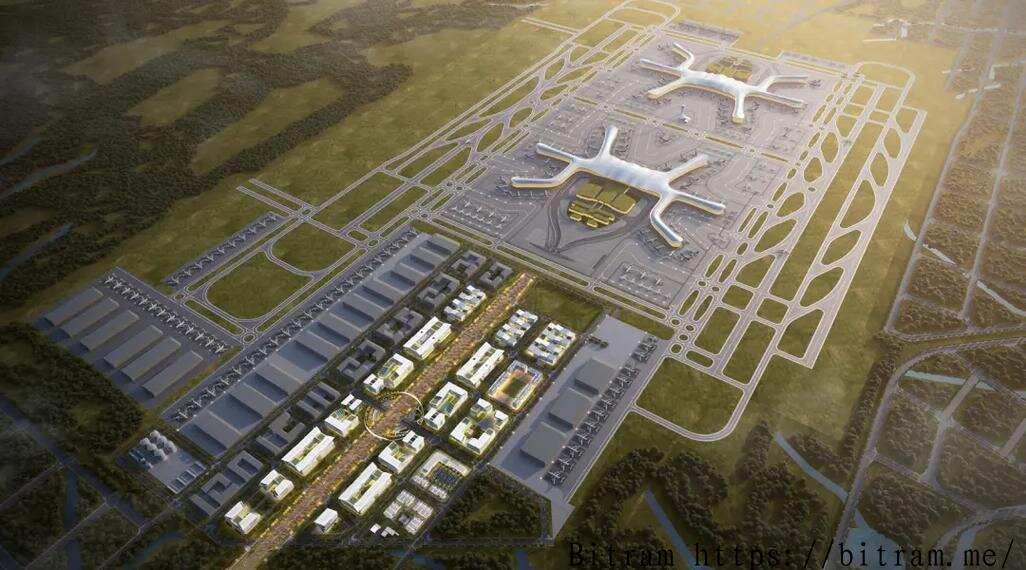
2025年3月25日,广州新机场在佛山市高明区正式开工,标志着这座超级工程从规划蓝图正式进入建设阶段。随着这一项目的启动,广州有望成为继上海、北京、成都之后,全国第四座拥有两个大型民用运输机场的城市,中国双机场城市版图迎来新一轮扩张。
根据已披露的规划方案,此次开工的为机场本期工程,总投资约418亿元,将建设2条远距平行跑道、约26万平方米的航站楼及94个机位,飞行区等级为4E。建成后,预计可满足年旅客吞吐量3000万人次、货邮吞吐量50万吨、年起降26万架次的运营需求,计划于"十五五"期间建成投运。
选址佛山高明,补齐大湾区西部短板
值得关注的是,尽管项目冠名"广州新机场",场址却选在佛山市高明区——地处佛山、肇庆、江门、云浮四市的地理中心,直接辐射人口超过2000万。这一选址并非偶然,而是服从于更宏观的区域发展逻辑。
长期以来,粤港澳大湾区机场群呈现明显的"东强西弱"格局,珠江东岸坐拥广州白云、深圳宝安、香港国际等大型枢纽,西岸仅有珠海金湾机场承担区域航空需求,运力明显不足。新机场落子西岸,有望从根本上填补这一缺口,为珠江西岸城市群提供高能级的开放平台。
这种"跨城选址、服务区域"的策略在国内并不鲜见。北京大兴机场辐射京津冀协同发展,成都天府机场呼应成渝双城经济圈,上海浦东机场的兴建则与浦东开发开放同频共振。大型机场从来不只是城市的基础设施,更是区域发展的战略支点。
双机场城市格局:四城领跑,竞争格局加速演变
2025年,上海双机场旅客吞吐量突破1.3亿人次,北京突破1.2亿人次,成都突破9000万人次,广州白云机场也首次突破8000万人次。
目前,全国双机场城市仅有四座:上海、北京、成都及在建中的广州,恰好也是航空旅客吞吐量排名最靠前的四座城市,双机场与城市航空体量之间的正相关关系清晰可见。
从全国机场群竞争格局来看,长三角以超3亿人次的年吞吐量遥遥领先,拥有至少9座4E级及以上大型机场;粤港澳大湾区紧随其后,广州新机场的加入将使大湾区机场群扩展至7座以上。与此同时,"十五五"规划已明确推进南通新机场和重庆新机场建设,上海未来有望成为全国首个三机场城市,南京也宣布适时启动马鞍机场的民用功能。未来,全国双机场城市数量有望扩张至六座。
广州新机场的开工,不只是一座城市基础设施建设的里程碑,也是中国航空枢纽格局持续升级的缩影。随着各大机场群加速扩容,区域间的航空竞争与协同将进入新阶段,而那些率先完成双机场布局的城市,无疑已在这场长期博弈中占得先机。
Guangzhou's New Airport Breaks Ground: China's Fourth Dual-Airport City and a New Era for Greater Bay Area Aviation
On March 25, 2025, Guangzhou's new airport officially broke ground in Gaoming District, Foshan, marking the transition of this massive infrastructure project from blueprint to reality. With construction now underway, Guangzhou is set to become China's fourth city with two large civil transport airports, following Shanghai, Beijing, and Chengdu — adding a new chapter to the country's dual-airport city map.
According to the released plans, the first phase carries a total investment of approximately 41.8 billion yuan (around US$5.8 billion). It will include two parallel runways, a terminal building of roughly 260,000 square meters, and 94 aircraft stands, with a 4E airfield classification. Once operational — targeted within the 14th Five-Year Plan period (2026–2030) — the airport is expected to handle 30 million passengers, 500,000 tonnes of cargo and mail, and 260,000 aircraft movements annually.
Foshan Siting: Bridging the Bay Area's East-West Divide
Despite being named "Guangzhou New Airport," the facility is located in Foshan's Gaoming District — the geographic center of four cities: Foshan, Zhaoqing, Jiangmen, and Yunfu — with a combined catchment population of over 20 million. This is no coincidence; the decision reflects a broader regional development strategy.
For years, aviation capacity in the Guangdong-Hong Kong-Macao Greater Bay Area has been heavily skewed eastward, with major hubs like Guangzhou Baiyun, Shenzhen Bao'an, and Hong Kong International Airport clustered on the Pearl River's eastern bank. The west bank has been largely underserved, with only Zhuhai Jinwan Airport meeting regional demand. The new airport's western siting is designed to address this imbalance and provide a high-capacity gateway for the Pearl River west bank urban cluster.
This approach — situating an airport at a regional crossroads rather than within a single city's boundary — follows a well-established playbook in China. Beijing Daxing Airport was built to serve Beijing-Tianjin-Hebei integration; Chengdu Tianfu Airport aligns with the Chengdu-Chongqing dual-city economic circle; and the original Pudong Airport was developed in tandem with the opening up of the Pudong New Area. Major airports are never merely urban infrastructure — they are strategic anchors for regional development.
The Dual-Airport City Race: Four Leaders, an Accelerating Field
In 2025, Shanghai's two airports combined to serve over 130 million passengers; Beijing's exceeded 120 million; Chengdu's surpassed 90 million; and Guangzhou's Baiyun Airport alone crossed 80 million for the first time.
At present, only four Chinese cities operate dual large civil airports: Shanghai, Beijing, Chengdu, and Guangzhou (under construction). These are also, not coincidentally, the four cities with the highest air passenger volumes in the country — a clear correlation between dual-airport status and overall aviation scale.
Looking at the broader competitive landscape, the Yangtze River Delta airport cluster leads all four major groupings with over 300 million annual passengers and at least nine 4E-class or larger airports. The Greater Bay Area cluster, now set to grow to seven or more airports with Guangzhou's addition, is a close contender. Meanwhile, China's 15th Five-Year Plan has already flagged the construction of new airports in Nantong and Chongqing. Shanghai could eventually become the country's first three-airport city, while Nanjing has announced plans to activate Maanshan Airport for civilian use. All told, the number of dual-airport cities in China could rise to six in the coming years.
The groundbreaking of Guangzhou's new airport is more than a municipal infrastructure milestone — it is a reflection of China's ongoing upgrade of its aviation hub hierarchy. As major airport clusters expand and competition intensifies, cities that secure dual-airport status early will hold a lasting strategic advantage in the long game of regional economic development.
发表评论