特朗普公开称赞中国制造业:对中国的成就必须给予高度尊重

2025年3月,特朗普在迈阿密FII峰会演讲中公开称赞中国制造业实力,表示无论立场如何,都必须对中国的成就给予尊重。本文深度解读这一表态背后的信号,以及中美经贸关系的现实逻辑。
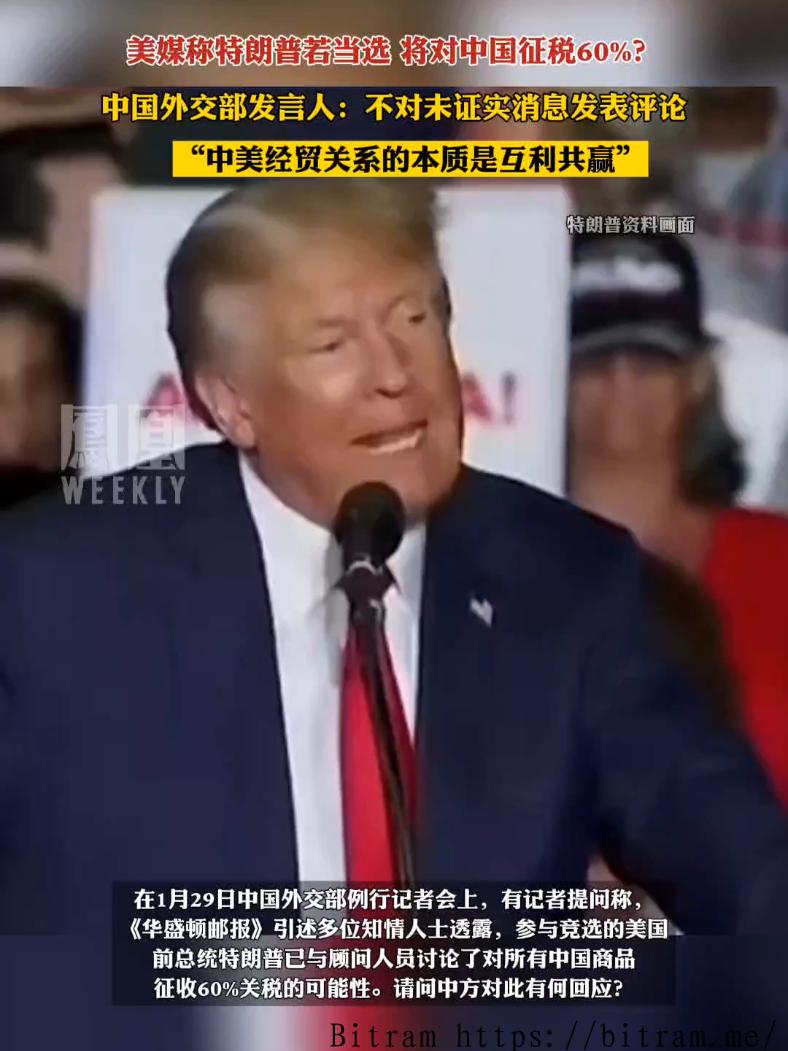
在中美贸易摩擦持续升温的背景下,特朗普近日发表了一番耐人寻味的言论。3月27日,他出席在迈阿密举办的未来投资倡议(FII)峰会——该峰会由沙特阿拉伯主权财富基金主办——并在演讲中罕见地对中国制造业给予正面评价。他表示,不管立场如何,面对中国所取得的成就,都必须抱有高度的尊重。
这一表态来自一位长期对华持强硬姿态的政治人物,显得格外引人注目。特朗普没有回避中美之间的竞争关系,但他选择在国际高端金融论坛的公开场合,承认中国制造业的强大实力,这本身就传递出微妙而复杂的信号。
中国制造业为何值得被"尊重"?
过去数十年,中国制造完成了从"低端代工"到"全链条制造强国"的历史性跨越。无论是电动汽车、新能源电池、消费电子,还是高铁、航空装备,中国已在多个核心制造领域建立起难以忽视的竞争优势。
以下几点是外界普遍认可的中国制造业核心竞争力:
- 完整的产业链生态:从原材料到成品,中国拥有全球最完整的制造业供应链体系
- 规模化生产效率:庞大的工业基础设施与劳动力池,支撑着极高的生产效率
- 技术升级速度:在新能源、半导体、人工智能应用等领域,中国企业的技术迭代速度已达到全球前列
- 政策驱动与长期布局:国家层面的产业政策对制造业升级形成持续推力
正是这些要素的叠加,让中国制造业成为全球供应链中无法被轻易替代的核心节点。
这番话背后有何深意?
值得关注的是,此次演讲的场合——沙特主权财富基金主办的国际投资峰会——本身就是全球资本流向的风向标。在这一场合谈及中国,特朗普的受众不仅是美国选民,更是全球顶级投资人与政策制定者。
从中美经贸博弈的现实逻辑来看,一味打压与完全脱钩并不现实。美国制造业的重建需要时间,而在此过程中,对中国制造业竞争力的客观认知,反而可能成为推动双边谈判、寻求利益交换的筹码。特朗普擅长用"示强"与"示好"交替出牌,这番称赞未必代表政策转向,但至少说明,在国际资本面前,否认中国制造业的实力已难以自圆其说。
总体而言,特朗普在FII峰会上对中国制造业的公开肯定,折射出当前全球产业格局的现实——中国制造业的规模与技术积累已形成不可忽视的国际影响力,无论是竞争对手还是合作伙伴,都需要在这一前提下重新审视对华战略。
Trump Praises China's Manufacturing Achievements: "You Have to Respect China"
Against the backdrop of escalating U.S.-China trade tensions, Donald Trump made a surprisingly candid remark that caught the world's attention. On March 27, Trump appeared at the Future Investment Initiative (FII) Summit in Miami — hosted by Saudi Arabia's sovereign wealth fund — where he offered rare public praise for China's manufacturing industry. Regardless of one's political stance, he said, China's achievements command deep respect.
Coming from a politician long known for his hardline posture toward Beijing, the comment was striking. Trump didn't shy away from acknowledging the competitive rivalry between the two nations, yet he chose a prestigious international financial forum as the stage to openly recognize China's industrial strength — a move that carries subtle but significant implications.
Why Does China's Manufacturing Deserve "Respect"?
Over the past few decades, Chinese manufacturing has undergone a historic transformation — evolving from a low-cost assembly hub into a full-spectrum industrial powerhouse. From electric vehicles and new-energy batteries to consumer electronics, high-speed rail, and aerospace equipment, China has established formidable competitive advantages across multiple high-value sectors.
Experts widely recognize several pillars behind China's manufacturing competitiveness:
- Complete industrial supply chains: China operates the world's most integrated manufacturing ecosystem, spanning raw materials to finished goods
- Large-scale production efficiency: Vast industrial infrastructure and a deep labor pool enable exceptional output at scale
- Rapid technological upgrading: In sectors like new energy, semiconductors, and AI applications, Chinese firms are now among the fastest innovators globally
- Policy-driven long-term planning: State-level industrial policy provides consistent momentum for manufacturing upgrades
Together, these factors have made Chinese manufacturing an indispensable node in global supply chains — one that cannot be easily replaced or bypassed.
What's the Deeper Message?
The context of Trump's remarks matters just as much as the words themselves. The FII Summit, hosted by Saudi Arabia's sovereign wealth fund, is a bellwether for global capital flows. Speaking about China in this setting, Trump's audience extended far beyond American voters — it included the world's top investors and policymakers.
From the standpoint of U.S.-China economic competition, outright suppression and full decoupling remain unrealistic options. Rebuilding American manufacturing takes time, and in the interim, an honest assessment of China's industrial capabilities may actually serve as leverage in bilateral negotiations and trade-offs. Trump has long alternated between pressure and olive branches as a strategic tool. This latest praise may not signal a policy reversal, but it does suggest one thing clearly: in front of global capital, denying the strength of Chinese manufacturing is no longer a credible position.
Taken as a whole, Trump's public acknowledgment of China's manufacturing prowess at the FII Summit reflects the hard realities of today's global industrial landscape. China's manufacturing scale and accumulated technological depth have generated a level of international influence that neither rivals nor partners can afford to ignore — and any coherent strategy toward China must begin with that recognition.
发表评论