证监会原副主席王建军受贿数额特别巨大,已被提起公诉

中国证监会原副主席王建军因涉嫌受贿被提起公诉,案件由潍坊市人民检察院向潍坊市中级人民法院起诉。检察机关指控其利用多个监管职务之便,为相关单位和个人谋取利益,非法收受财物数额特别巨大,此案引发市场对金融监管领域反腐力度的广泛关注。
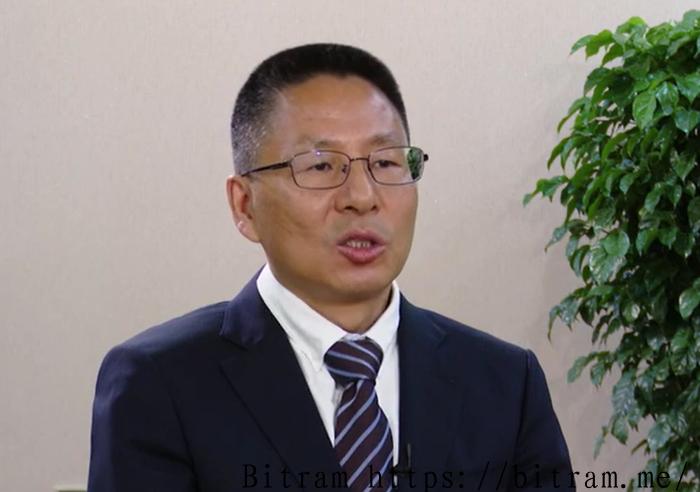
中国资本市场监管层再现重磅反腐案件。中国证券监督管理委员会原副主席王建军涉嫌受贿一案近日取得重大进展——潍坊市人民检察院已正式向潍坊市中级人民法院提起公诉,指控其受贿数额特别巨大,依法应追究刑事责任。这是继多名金融监管官员落马后,资本市场反腐领域又一重要节点。
王建军案由国家监察委员会完成调查并移交检察机关,最高人民检察院随后依法对其作出逮捕决定,并指定山东省潍坊市人民检察院负责审查起诉。从立案调查到正式公诉,整个程序均依照法定流程推进,体现出司法机关对此类金融腐败案件的严肃态度。
职务之便成为腐败温床
检察机关的起诉书显示,王建军在多个关键岗位任职期间实施了受贿行为。其历任职务包括:
- 中国证监会云南监管局党委委员、副局长
- 中国证监会办公厅副主任
- 中国证监会市场监管部主任
检察机关指控,王建军利用上述职务赋予的权力与地位,直接或借助其他国家工作人员的职务行为,为特定单位和个人在市场准入、业务审批等方面提供便利,并从中非法收受巨额财物。职务权力与利益输送之间的高度关联,是此案的核心特征,也是金融监管领域腐败案件的常见模式。
检察机关在审查起诉阶段已依法告知被告人诉讼权利,讯问了被告人本人,并听取了辩护律师的意见,程序合规。
金融反腐持续深化,市场影响值得关注
近年来,中国对金融监管系统的反腐力度持续加强。从银行、券商到监管机构,多名高层官员因权力寻租相继被查处。王建军案再次揭示出一个深层问题:在资本市场审批权高度集中的体制背景下,监管者本身的廉洁性直接影响市场的公平与效率。
对于A股投资者而言,此类案件的曝光固然短期内可能引发对监管稳定性的担忧,但从长远来看,清除监管腐败、重塑监管公信力,才是资本市场健康发展的必要前提。如何从制度层面压缩权力寻租空间,将是监管改革的持续课题。
综合来看,王建军受贿案是中国深化金融领域反腐的缩影。随着案件进入司法审判阶段,最终判决结果将进一步检验司法独立性与反腐决心,值得持续关注。
Former CSRC Vice Chairman Wang Jianjun Prosecuted for Exceptionally Large Bribery
China's capital markets regulatory sector has been rocked by another high-profile corruption case. Wang Jianjun, former Vice Chairman of the China Securities Regulatory Commission (CSRC), faces formal criminal prosecution after the Weifang Municipal People's Procuratorate filed charges against him with the Weifang Intermediate People's Court. The indictment accuses him of accepting bribes of an exceptionally large amount — a case that marks yet another major milestone in the ongoing anti-corruption campaign targeting China's financial regulatory system.
Wang's case was investigated and concluded by the National Supervisory Commission before being handed over to prosecutors. The Supreme People's Procuratorate subsequently issued an arrest warrant and designated the Weifang Municipal People's Procuratorate in Shandong Province to handle the review and prosecution. The entire process followed statutory legal procedures, signaling the authorities' firm and methodical approach to financial corruption at the senior level.
Official Positions Turned into Breeding Grounds for Corruption
According to the indictment, Wang Jianjun allegedly engaged in bribery across several key positions he held during his career, including:
- Party Committee Member and Deputy Director of the CSRC Yunnan Regional Office
- Deputy Director of the CSRC General Office
- Director of the CSRC Market Supervision Department
Prosecutors allege that Wang exploited the authority and influence derived from these roles — both directly and through the official acts of other government personnel — to provide benefits to specific entities and individuals in areas such as market access and business approvals, in exchange for substantial illegal gains. The direct link between regulatory power and corrupt benefit-seeking is the defining feature of this case and a recurring pattern in financial sector corruption.
During the review and prosecution phase, prosecutors fulfilled all legally required procedures — informing the defendant of his litigation rights, conducting formal interrogations, and hearing the opinions of defense counsel.
Deepening Financial Anti-Corruption and Its Market Implications
In recent years, China has intensified its crackdown on corruption within the financial regulatory system. From banks and brokerages to oversight bodies, numerous senior officials have been investigated for abusing their positions. Wang Jianjun's case once again exposes a fundamental structural vulnerability: in a system where approval authority in capital markets is highly concentrated, the integrity of regulators directly determines the fairness and efficiency of the market itself.
For A-share investors, such cases may trigger short-term uncertainty about regulatory stability. However, in the long run, rooting out regulatory corruption and restoring institutional credibility are essential prerequisites for a healthy capital market. How to structurally reduce opportunities for power-for-profit exchanges remains an ongoing challenge for regulatory reform in China.
In summary, the prosecution of Wang Jianjun for bribery reflects the broader deepening of China's anti-corruption drive in the financial sector. As the case moves into the judicial trial phase, the final verdict will serve as a further test of judicial independence and the government's resolve — making it a development well worth watching.
发表评论