伊朗三月战事实录:导弹与诺鲁孜节同至,近一亿人在炮火中迎新年

2026年2月28日,以色列对伊朗发动"先发制人"打击,战火延烧至波斯新年诺鲁孜节。德黑兰摄影师法尔哈德与库姆助产士米娜,用亲历讲述了战争笼罩下的伊朗日常。美以联军已袭击超8.7万处民用设施,但伊朗仍在持续反击。这场冲突究竟将如何重塑中东格局?
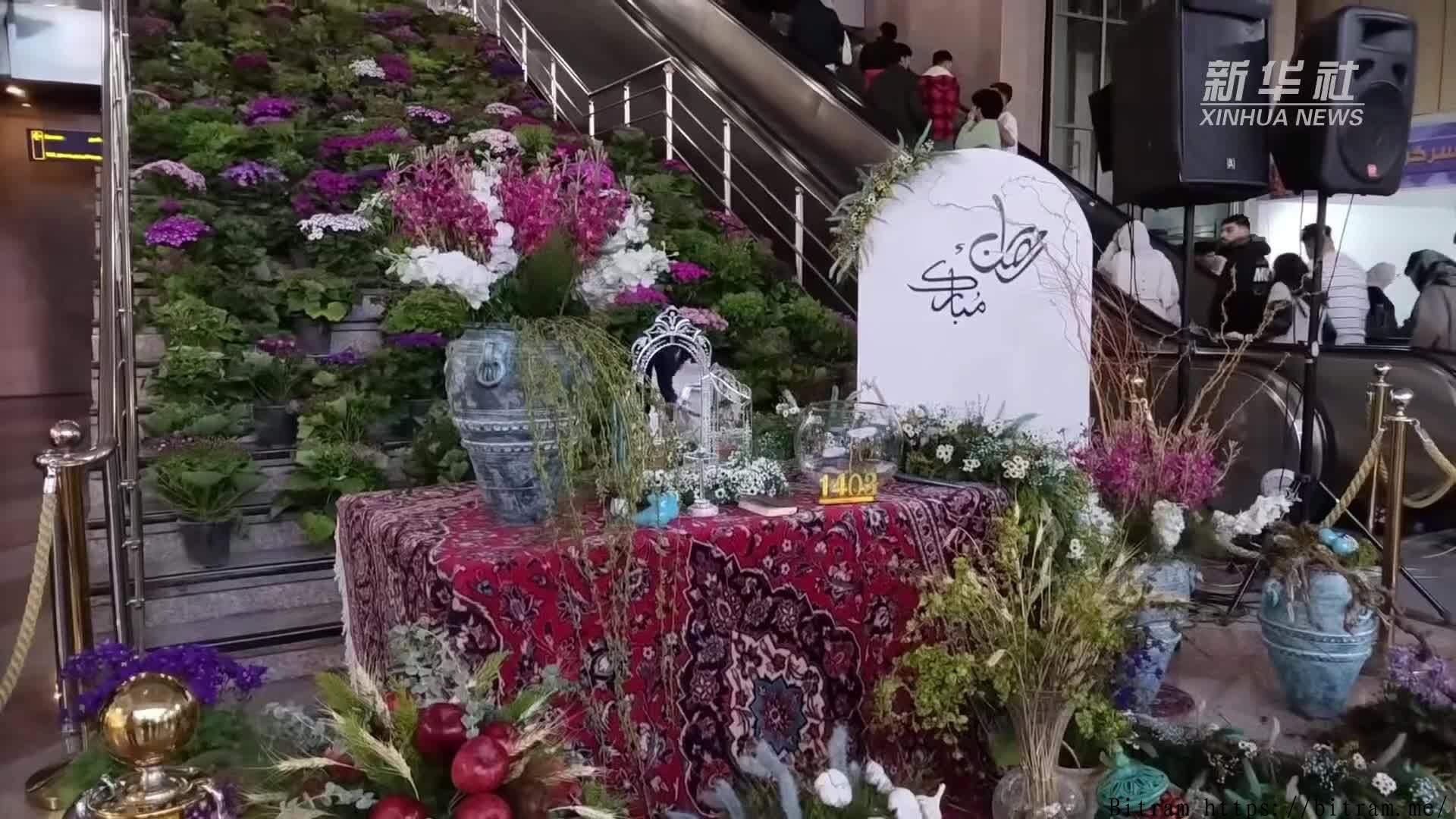
2026年3月,波斯新年诺鲁孜节如期而至,但迎接伊朗人的不是春风,而是空袭警报——或者更确切地说,连警报都没有,只有突如其来的爆炸声撕裂了节前的宁静。这是一场在传统新年庆典与现代战争之间的残酷撞击,也是近一亿伊朗人正在共同承受的现实。
战事始于2026年2月28日。以色列国防部宣布对伊朗实施"先发制人"打击,德黑兰市中心浓烟滚滚,总统办公室、最高国家安全委员会大楼等核心政府设施相继中弹。与此同时,伊斯法罕、库姆、洛雷斯坦等多座城市也几乎同步传出爆炸声。伊朗随即展开反击,向以色列及美国在海湾地区的盟国密集发射导弹,并事实上收紧了对霍尔木兹海峡的管控。
炮火中的普通人
战争从不只是地图上的箭头。德黑兰摄影师法尔哈德当天正送孩子上学,爆炸声响起后,他随人群涌上街头,却发现道路完全瘫痪——救护车被堵在车流中,警笛声嘶力竭,电话怎么也打不通。手机上弹出的祈祷应用推送写着"援军已至",附带的却是煽动性内容。他描述自己如今像活在"黑箱子"里:网络昂贵且时断时续,人们靠交换碎片信息拼凑真相,而爆炸声忽远忽近,始终未曾停歇。
"被战争笼罩的德黑兰像一座末日城市,巨响之外安静得可怕,人们心中藏着复杂的情绪。"
在圣城库姆,助产士米娜的感受截然不同。她从诊所窗口望见远处升起的烟柱,愤怒与爱国情绪随即占据了她的内心。她所在的私人诊所名叫"母亲",战事爆发当天,一位孕妇正临近分娩,医护人员决定坚守岗位,"孩子会带来好运"。那一天,病房里哭声此起彼伏——受到惊吓的产妇血压升高、耳鸣头痛,新生儿哭个不停,米娜忙到没时间吃饭,直到深夜回家拥抱丈夫和儿子,才终于落下眼泪。
数字背后的代价与争议
战争对平民设施的冲击触目惊心。 根据伊朗红新月会等机构截至3月27日的统计,美以两国已袭击超过8.7万处伊朗民用设施,其中包括281家医疗机构和498所教育设施。与此同时,伊朗的报复行动也波及多个海湾国家的民用目标,人道主义代价正在双向累积。
在伊朗与中东局势研究领域,学者们对这场冲突的走向存在明显分歧。加利福尼亚州立大学副教授萨哈尔·拉扎维指出,国际媒体在报道伊朗问题时,往往将其简化为地缘棋局上的一枚棋子,聚焦能源价格与地缘博弈,却忽视了这片土地上近一亿普通人的生存处境与内心声音。普林斯顿大学社会学者凯文·哈里斯则观察到,尽管伊朗民众对部分政治人物的支持度有限,但每当涉及领土安全与国家自卫,强烈的民族主义情绪便会迅速凝聚——这种"聚旗效应"在去年的"12日战争"后已有先例。
一个月过去,伊朗政权并未崩溃,局势也未按美国的预期演变。分析人士开始重新评估:那个以"冲突重塑中东"为名构想的"新中东"图景,正在多大程度上走向泡影?答案尚无定论,但法尔哈德镜头下街头那些像枯叶一样躺着的死鸟,或许比任何战略报告都更能说明问题。战争的成本,从来不只算在国家账上,而是由每一个普通人用每一天的生活来偿付。
Iran's March War: Missiles and Nowruz Arrive Together as Nearly One Billion People Welcome the New Year Under Fire
In March 2026, the Persian New Year of Nowruz arrived on schedule — but what greeted Iranians was not a spring breeze. It was the sound of explosions, sudden and unannounced, tearing through the pre-holiday quiet. There were no air raid sirens. There was only the blast. This is the brutal collision between an ancient celebration and a modern war, a reality that nearly one hundred million Iranians are now living through together.
The conflict began on February 28, 2026, when the Israeli Defense Forces announced a "preemptive strike" on Iran. Thick smoke rose over central Tehran as the presidential office, the Supreme National Security Council building, and other core government facilities were hit. Almost simultaneously, explosions were reported in Isfahan, Qom, Lorestan, and other cities. Iran responded swiftly, launching dense missile salvos at Israel and U.S. allies in the Gulf, while effectively tightening its grip on the Strait of Hormuz.
War Through the Eyes of Ordinary People
War is never just arrows on a map. Tehran photographer Farhad had just dropped his children off at school when the blasts erupted. He joined the crowd flooding into the streets, only to find the city completely paralyzed — ambulances trapped in gridlock, sirens screaming without pause, phone calls that wouldn't connect. A prayer-time app on his phone pushed a notification: "Reinforcements have arrived," followed by incendiary messages targeting Iranian security forces. He describes his life now as existing inside a "black box": internet access is expensive and unreliable, people piece together fragments of information just to form some picture of reality, and the sound of explosions drifts closer and farther without ever disappearing.
"Tehran under war feels like a city at the end of the world — terrifyingly silent beyond the blasts, with people carrying a storm of emotions inside them."
In the holy city of Qom, midwife Mina experienced it all differently. Watching a column of grey smoke rise beyond her clinic window, she felt anger and fierce love for her country surge together. The private clinic where she works is called "Mother." On the day the strikes began, a woman was on the verge of giving birth, and the medical staff made the decision to stay — "a baby brings good fortune," they told themselves. That day, the ward was filled with wave after wave of crying: frightened mothers-to-be with spiking blood pressure and ringing ears, newborns wailing, and their mothers weeping alongside them. Mina worked through the day without eating, and only when she returned home that night and held her husband and son did her own tears finally come.
The Human Cost and the Strategic Debate
The toll on civilian infrastructure is staggering. According to data compiled by the Iranian Red Crescent and other organizations through March 27, U.S. and Israeli strikes had hit more than 87,000 civilian sites across Iran, including 281 medical facilities and 498 schools. Iran's retaliatory strikes, meanwhile, also reached civilian infrastructure in several Gulf states — the humanitarian cost accumulating on both sides.
Among scholars of Iran and Middle Eastern affairs, perspectives on the conflict's trajectory diverge sharply. Sahar Razavi, associate professor of Iranian and Middle Eastern Studies at California State University, argues that international coverage of Iran tends to reduce the country to a piece on a geopolitical chessboard — fixating on energy prices and strategic rivalries while largely ignoring the voices and lives of the nearly one hundred million people who actually live there. Kevin Harris, a sociologist and postdoctoral researcher in Near Eastern Studies at Princeton University, notes that while Iranians may hold limited support for certain political figures, questions of territorial defense and national sovereignty tend to trigger powerful surges of nationalism — a "rally around the flag" effect already observed in the wake of last year's twelve-day war.
A month into the conflict, the Iranian government has not collapsed, and the situation has not unfolded the way Washington appeared to anticipate. Analysts are now reassessing how much of the "New Middle East" vision — the idea that this conflict would fundamentally reshape the region — was ever more than wishful thinking. There is no clear answer yet. But the dead birds lying in Tehran's streets like fallen leaves, captured through Farhad's lens, may say more than any strategic briefing ever could. The cost of war is never settled on national balance sheets alone — it is paid, day by day, by ordinary people living through it.
发表评论