美以袭击伊朗格什姆岛,特朗普喊话"自去抢石油",美股深夜暴涨逾千点

美以联合对伊朗最大岛屿格什姆岛发动袭击,德黑兰遭两轮空袭,霍尔木兹海峡局势骤然升温。特朗普公开喊话各国"自去海峡抢石油",并警告法国将为不配合付出代价。消息刺激美股大幅反弹,道指涨超1100点,纳指涨近4%,科技股集体爆发,市场情绪急剧逆转。
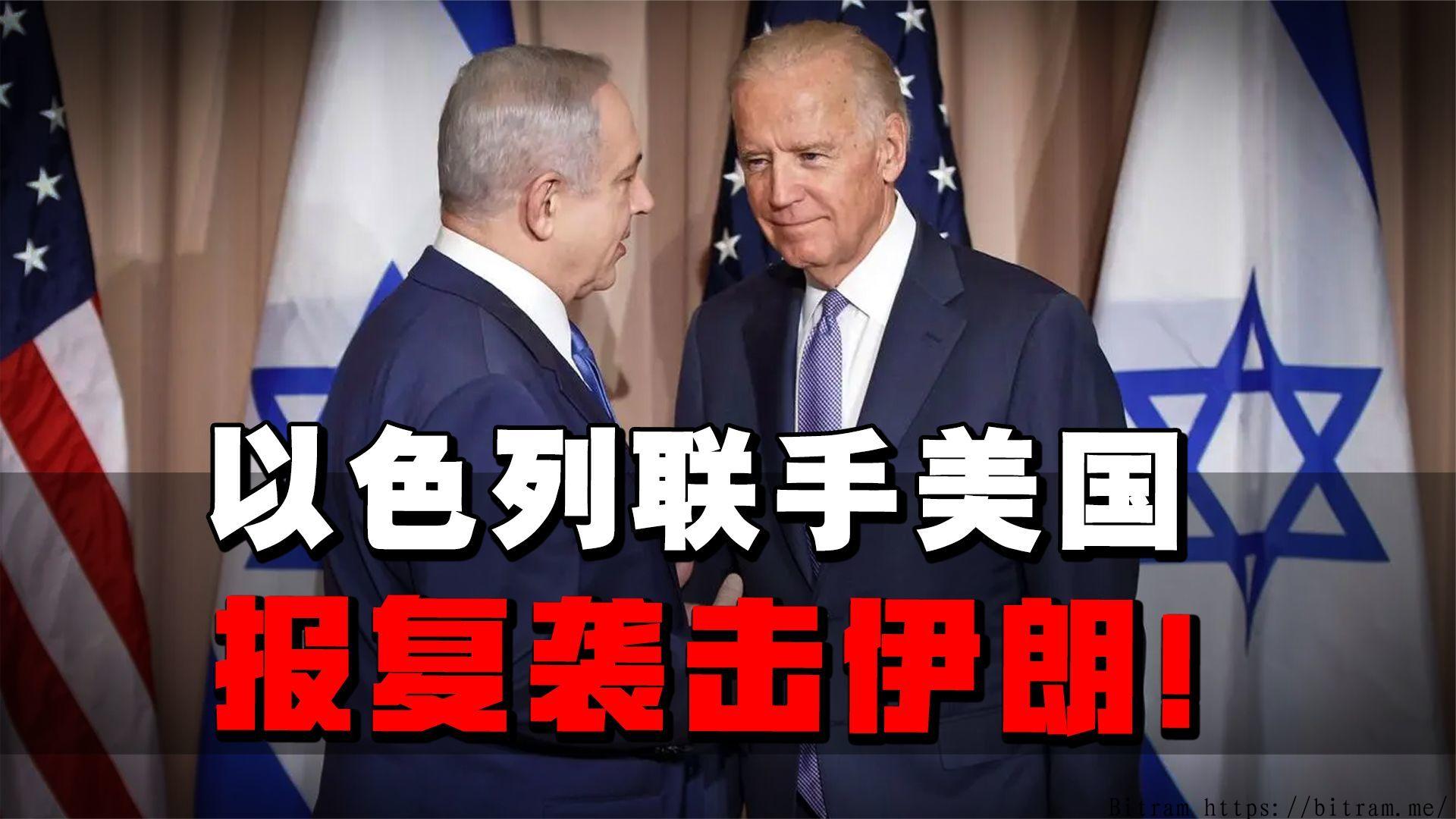
中东局势再度激烈升温。美以联军对伊朗最大岛屿格什姆岛发动定点打击,伊朗首都德黑兰在短短一天之内遭受两轮空袭,多处爆炸引发大范围停电。与此同时,美国总统特朗普在社交媒体上公开发声,声称"伊朗基本上已经被打垮了",并向全球各国喊话,鼓励其自行前往霍尔木兹海峡获取石油资源,这一表态迅速引发国际社会强烈关注。
伊朗卫生部官员证实,格什姆岛上一座承担重要民生功能的海水淡化厂在此次袭击中完全瘫痪,短期内难以恢复运营,当地居民的饮水供应面临严峻压力。面对外部军事压力,伊朗伊斯兰革命卫队随即宣布反制措施,将苹果、谷歌、英伟达、特斯拉、微软、惠普等18家美国科技与AI企业在中东地区的相关机构列为打击目标,局势进一步趋于复杂。
特朗普强硬表态,盟友关系现裂痕
特朗普的言论不仅针对伊朗,更直接点名盟友。他公开批评英国因拒绝参与对伊行动而"无法通过霍尔木兹海峡获得航空燃油",并给出两条建议:
- 从美国购买:直接向美国采购能源
- 自己动手:前往霍尔木兹海峡"鼓起勇气抢过来"
法国同样受到点名批评。特朗普表示,法国拒绝允许装载军用物资的飞机飞越其领土前往以色列,"在对伊军事行动上表现极不配合,美国会记住的"。美国国防部长赫格塞思更进一步表示,鉴于部分盟友的不配合态度,特朗普将在此次军事行动结束后就北约的未来走向作出重大决定,这一表态令跨大西洋同盟关系的前景更加扑朔迷离。
美股深夜暴涨,科技板块强势反弹
出乎市场预期的是,中东地缘冲突并未拖累美国股市,反而成为多空博弈的转折点。周二美股三大指数集体大涨:
道指涨超 1,100点(+2.49%),纳指涨 3.83%,标普500涨 2.91%
大型科技股领涨全场,Meta(脸书)涨超6.67%,英伟达、谷歌涨超5%,特斯拉、亚马逊、微软涨约3%,苹果涨超2%。分析人士认为,此轮反弹与科技板块估值修复逻辑密切相关——纳斯达克100指数自去年10月高点已累计回调逾11%,其预期市盈率与标普500的溢价差距已压缩至约1.7个百分点,为互联网泡沫破裂以来的历史低位区间。历史数据显示,每当该溢价收窄至此水平,科技股往往在随后数个季度内跑赢大盘。
多位华尔街策略师开始积极关注科技股超卖信号,推荐Alphabet、英伟达、苹果等个股作为优先布局方向。不过,也有观点提醒,持续的中东战事带来的经济不确定性,可能令部分历史规律失效,投资者仍需警惕盈利预期下调的风险。
综合来看,此次美以对伊朗的军事行动已从单纯的地区冲突演变为一场牵动全球能源格局、盟友关系与资本市场的系统性事件。霍尔木兹海峡局势走向、伊朗的反制力度,以及特朗普与欧洲盟友关系的后续演变,将是接下来全球市场最需要紧密追踪的三条主线。
US-Israel Strike on Iran's Qeshm Island: Trump Tells World to "Grab Oil," US Stocks Surge 1,100 Points
Tensions in the Middle East have escalated dramatically. US and Israeli forces carried out targeted strikes on Qeshm Island, Iran's largest island, while Iran's capital Tehran endured two separate rounds of airstrikes within a single day, triggering explosions and widespread power outages. US President Donald Trump simultaneously took to social media, declaring that "Iran has basically been crushed" and openly urging nations around the world to head to the Strait of Hormuz and secure their own oil supplies — remarks that sent shockwaves through the international community.
Iranian health officials confirmed that a seawater desalination plant on Qeshm Island — critical to local civilian water supply — was completely destroyed in the strikes and cannot be restored in the short term, putting significant pressure on residents' access to drinking water. In response to the military pressure, Iran's Islamic Revolutionary Guard Corps announced retaliatory measures, designating the Middle Eastern affiliates of 18 US technology and AI companies — including Apple, Google, Nvidia, Tesla, Microsoft, and HP — as targets. The situation has grown considerably more complex.
Trump's Hardline Stance Exposes Cracks Among Allies
Trump's remarks were directed not only at Iran, but also pointedly at US allies. He publicly criticized the United Kingdom for being unable to access aviation fuel through the Strait of Hormuz after refusing to join the military campaign against Iran, offering two pieces of advice:
- Buy from the US: Source energy directly from American suppliers
- Take it yourself: "Gather the courage" to go to the Strait of Hormuz and secure it
France was also called out by name. Trump stated that Paris had refused to allow aircraft carrying military supplies to overfly French territory en route to Israel, calling France "extremely uncooperative" in the Iran military campaign and warning that "America will remember." US Defense Secretary Pete Hegseth went further, stating that given certain allies' lack of cooperation, Trump would make a major decision on the future of NATO once the military operation concludes — a statement that has cast a long shadow over the future of transatlantic alliances.
US Stocks Surge Overnight as Tech Sector Roars Back
Contrary to what many expected, the geopolitical turmoil in the Middle East did not drag down US equities — instead, it appeared to mark an inflection point. All three major US indices surged sharply on Tuesday:
The Dow Jones rose more than 1,100 points (+2.49%), the Nasdaq gained 3.83%, and the S&P 500 climbed 2.91%
Large-cap tech stocks led the rally. Meta surged 6.67%, Nvidia and Google jumped over 5%, Tesla, Amazon, and Microsoft gained roughly 3%, and Apple rose more than 2%. Analysts attribute much of this rebound to a valuation recovery narrative within the tech sector — the Nasdaq 100 has fallen more than 11% from its October peak, and its forward price-to-earnings premium over the S&P 500 has compressed to approximately 1.7 percentage points, the narrowest gap since the dot-com bubble burst in the early 2000s. Historical data suggests that whenever this premium narrows to such levels, tech stocks tend to outperform the broader market in the quarters that follow.
Multiple Wall Street strategists have begun actively monitoring oversold signals in tech stocks, highlighting Alphabet, Nvidia, and Apple as top picks. However, some voices of caution note that the sustained economic uncertainty stemming from the ongoing Middle East conflict could invalidate certain historical patterns, and investors should remain alert to the risk of downward earnings revisions.
Taken together, the US-Israeli military campaign against Iran has evolved beyond a regional conflict into a systemic event with far-reaching implications for global energy markets, alliance structures, and capital markets. The three storylines that global investors will need to monitor most closely going forward are: the trajectory of the Strait of Hormuz situation, the scale and effectiveness of Iran's retaliatory measures, and the evolving relationship between the Trump administration and its European allies.
发表评论